The summer months are perfect for letting our dogs run off lead and enjoy the warmer weather, and our feline friends take the opportunity to explore and roam to their hearts’ content. However, did you know that grass seeds can cause a real problem with our pets’ health?
Whilst we’re not trying to scare you into keeping your pet indoors for the warmer months, we think it’s important for our clients to fully understand the risks of grass seeds, so that they can be more vigilant.
So let’s take a closer look at grass seeds and explore why they can pose such a risk.
What makes grass seeds so dangerous?
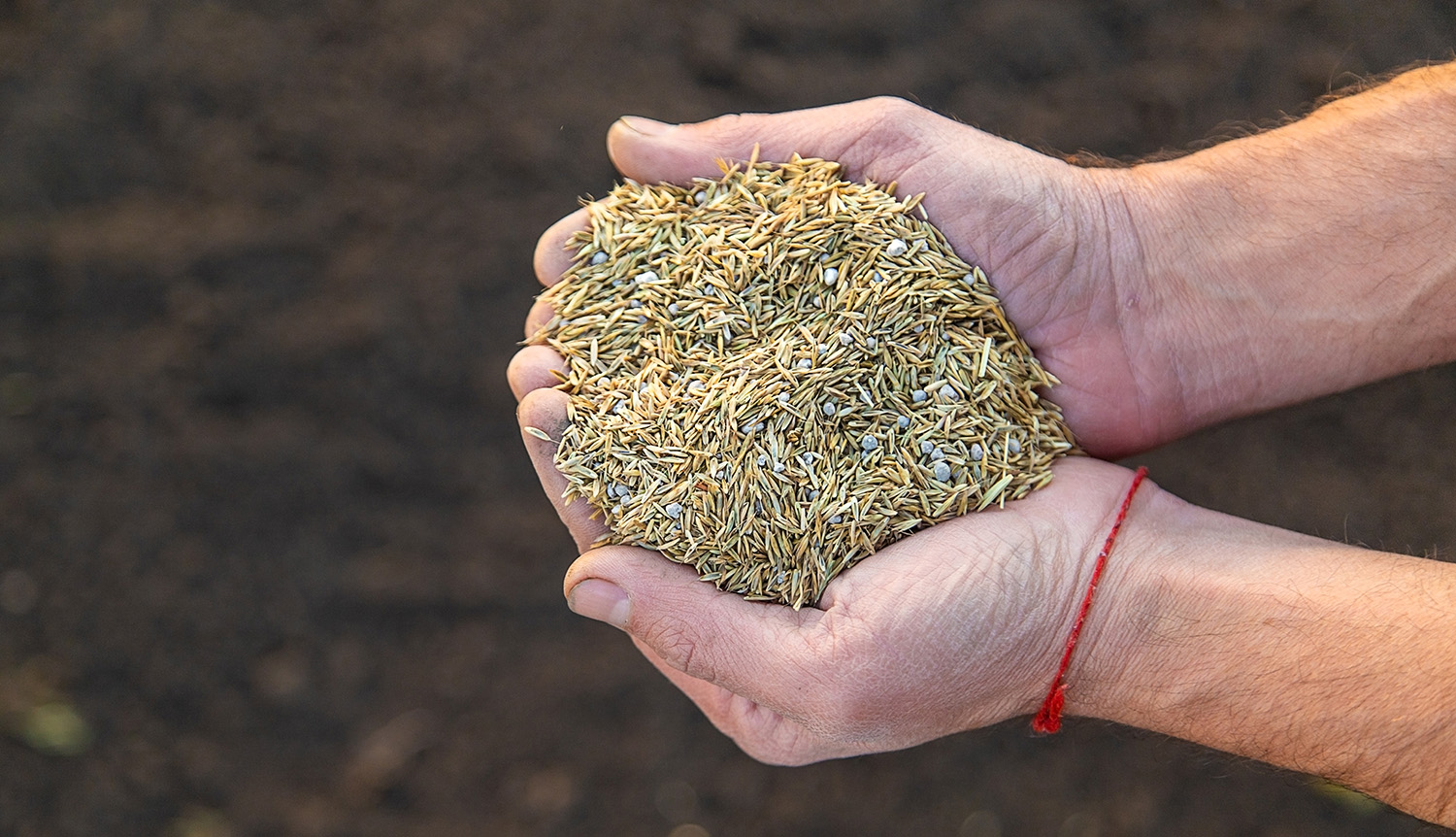
During the warmer months, longer grasses found in fields can often produce seeds in order to spread. Whilst this is good for the environment, it’s these very seeds that can cause such an issue for our pets.
Grasses such as foxtails and barley grass are particularly dangerous thanks to their shape and texture.
Let’s explore this together in more detail.
- Barbed surfaces: The seed has tiny, backwards facing barbs, similar to fishhooks! These allow the seed to cling to different surfaces and aid in pollination.
However, these hooks allow the seed to move forwards, but not backwards. If the seed embeds itself into the skin of our pets, which is usually the paw, the hooks can pull the seed further into the internal tissues.
- Arrowhead shape: The seed has a sharp point at the tip and is wider at the base – hence the arrowhead name. The sharp end makes it easy to enter the ears, eyes and nose of our pets, as well as piercing the skin.
- Rigid surface: A grass seed is tough… like really tough! They’re stiff enough so that they don’t tend to bend. Plus the fact, if they do end up inside the body they don’t break down too well.
- Small but mighty: Their small and lightweight appearance makes them easy to travel through the air and spread, but it also means they’re more likely to land on our pets!
Common grass seed locations
Grass seeds are a common problem in dogs and cats, especially Spaniels who love running through the undergrowth in the summer and spring. If implanted, grass seeds can cause serious problems.
The most common spots include between the toes, around the eyes, inside the ears and nose, under the tail and along the lower legs. If they become lodged in the skin, they can sometimes migrate deeper into the body tissues, which can lead to more serious health problems.
If grass seeds are left untreated, they can cause irritation, localised swelling and abscesses.
How are grass seeds treated?
The treatment for grass seeds can vary depending on the severity of the implantation, as well as the location. If the seed is stuck in the fur, it can be easily removed.
In some instances, the end of the grass seed can be seen, in which case it is often removed with forceps. If there is an entry point, the area can also be gently squeezed and the grass seed can pop out. We do not recommend doing this yourself, it’s always best to get one of our skilled veterinary surgeons to take a look.
If you suspect that there is a grass seed in sensitive areas, such as the nose, ears or eyes then these require urgent care. Seeds that are located in the ear, for example, can travel and perforate the eardrum.
For deeper grass seed implantations, or if the grass seed has migrated further into the body, surgery may be required.
How can grass seeds be prevented?
The best way to prevent grass seeds is to avoid walking your dog in fields that have long grass. Alternatively, do not let them off lead in long, grassy areas. It can be more difficult for cats, as they enjoy free roaming.
Avoiding grass seeds in cats can be hard, but giving them a routine check over through the spring and summer months helps to identify any sore areas before they become a bigger problem.
After walking with your dog, it may also be best to routinely check them for any entry sites or redness around the most common areas. Regularly brushing your cats and dogs, as well as trimming any areas of long fur may also reduce the chance of exposure.
Conclusion
Grass seeds may only be small, but they can certainly cause big problems. The best way to prevent them is to understand how they behave and the hot spots where they like to lodge.
If you notice a problem with your pet, it’s important to contact us as soon as possible on 01623 203529.