As pet owners ourselves, we know that bringing your cat, dog or small mammal to the vets can be stressful for both you and them. But, did you know that there are ways that you can make visits less stressful?
Regular vet visits are essential for keeping your cat healthy, allowing early detection of potential problems and ensuring they receive preventative care such as vaccinations, parasite control and dental checks. The goal isn’t to eliminate all stress, but to reduce fear and help your cat feel safer.
Let’s take a look at how you can make your cat’s visit to see one of our Pawsome team less stressful, helping to ensure that each and every visit is as stress free as possible.
1. Make The Carrier Safe And Comfortable
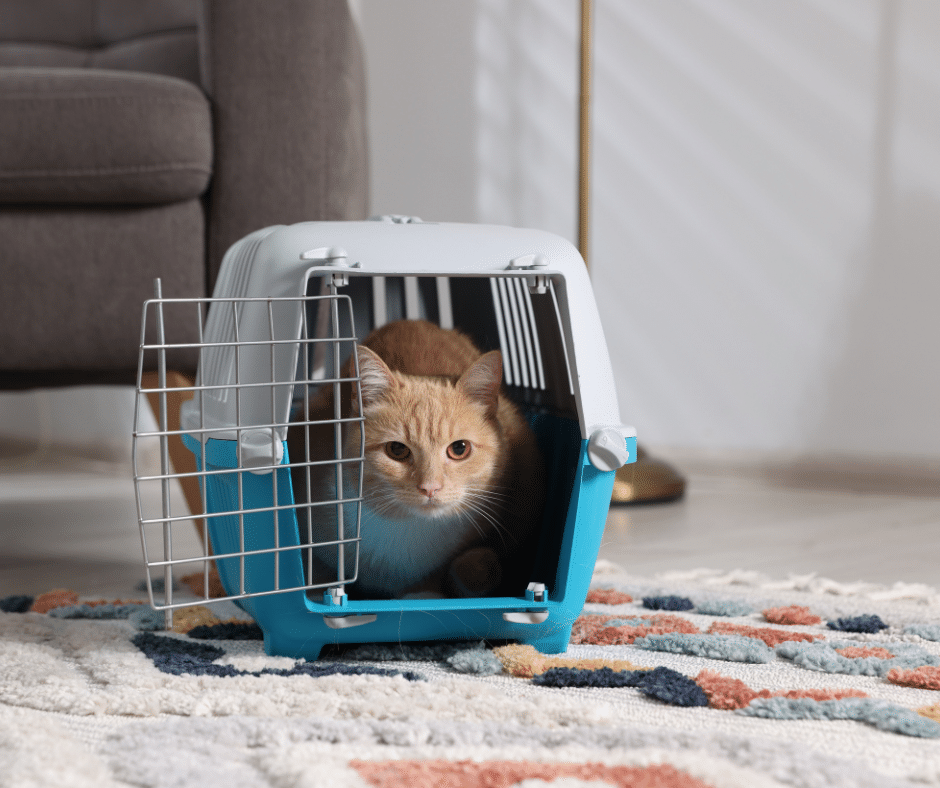
If your cat sees its carrier that can only mean one of two things. Either the vets or the cattery! Many cats run and hide when they see their carrier, so your first obstacle is to take the fear out of the carrier.
Instead, try keeping the cat carrier out in a quiet room. Make it an attractive place for them to curl up and have a sleep. A cosy blanket and bedding can make all the difference. You could even throw in a catnip toy for good measure.
Over time, your cat should begin to trust the carrier more and see it as a place where they can feel safe.
When you first use the carrier, avoid chasing your cat around the house trying to get them to go in as they will instantly have negative associations with the carrier.
2. Use Calming Sprays
Calming sprays are an underrated way of keeping your cat calm. Many different brands can help both within the home, in the carrier, and on long journeys.
There are two different types of sprays available. Some contain calming pheromones that have a cumulative effect over time, whereas others contain natural herbs that can have an instant effect on cats, dogs, small mammals and even horses and reptiles.
Spraying a pheromone product inside the carrier approximately 15 minutes before travel may help create a more reassuring environment. These products mimic natural facial pheromones that cats use to mark areas as safe and familiar.
Sometimes, calming sprays aren’t enough to keep your furry friend calm. In these instances, you may need a consultation with one of our vets to prescribe stronger anxiety medication.
3. Practice Positive, Calm Energy
If you are feeling stressed and anxious about getting your cat into the carrier, then it’s likely that your cat will be picking up on these vibes too. Cats are very in tune with our emotions and body language and we can often make them as anxious as we are.
When interacting with your cat, we recommend staying as calm as possible and using a soft, gentle voice. Avoid erratic movements, so try to move slowly.
Leading up to your appointment, it may be helpful to spend a little time with your cat giving them a fuss to help them relax.
4. Make The Journey Comfortable
One of the most stressful times during your cat’s visit to the vets will be the journey, as they often feel vulnerable when taken out of their usual environment.
Covering the carrier with a blanket can help to reduce visual stress and also help with symptoms of motion sickness. We also recommend attaching the seatbelt around the carrier to keep them stable during transit.
Avoid feeding your cat a meal at least an hour before travelling to reduce the chance of them being sick on the way.
5. Desensitise Your Cat To Vet Visits
If you have a kitten, then it can be really helpful to desensitise them to vet visits as soon as possible. This could start off as small journeys in the car or handling them regularly to get them used to their eyes, mouth and ears being examined.
Practice touching their paws and stroking the entirety of their body, all whilst having plenty of tasty treats on offer.
Even older cats can soon learn that carriers and vet visits aren’t that scary – practice makes “purrrfect!”
If you would like to book densensitisation sessions at the practice, speak to one of our team on 01623 203529. Our experienced nursing team may be able to help.
6. Take The Stress Out Of Flea And Worming
We’re not just taking the stress out of vet visits, but flea and worming treatments too!
Keeping your pet protected from preventable health problems shouldn’t feel complicated or overwhelming. That’s why we’ve created our Pawsome Wellness Plans, designed to make routine healthcare easier, more affordable, and simpler to manage throughout the year.
Our wellness plans help take away the stress of remembering important preventative treatments, spreading the cost of essential care into manageable monthly payments while ensuring your pet receives the protection they need.
With a Pawsome Wellness Plan, your pet will benefit from:
- One complimentary veterinary consultation
- Two free nurse consultations
- Ongoing parasite protection, including cover for fleas, ticks, mites, and worms
- 10% off dental treatment should your pet need it
- Kennel cough vaccination included for dogs
Regular flea and worm prevention plays an important role in protecting your pet’s health, but we understand that remembering treatment schedules can sometimes be difficult. Our wellness plans remove the guesswork by helping you stay on top of preventative care, ensuring your pet’s parasite protection is covered when they need it most.
We also know that unexpected veterinary costs can be a concern. By including annual vaccinations and essential healthcare within our wellness plans, we help you budget for your pet’s ongoing wellbeing without worrying about large one-off payments.
With everything organised in advance, you can enjoy peace of mind knowing your pet’s routine healthcare is taken care of, leaving you more time to focus on what matters most: keeping your furry friend happy and healthy.
Final Thoughts
Vet visits are vital in keeping your cat firing on call cylinders, but it doesn’t need to be a scary experience for them. By following our tips and calming techniques, you can help your cat to feel more settled and secure.
It’s important to remember that every cat is different and can cope with stress in different ways. Some cats may need a little more time and support.
A calm environment and journey means a calmer cat, as well as a more positive experience for you and your feline friend.